
The Psychology of Color in Casino Design
The strategic use of color plays a crucial role in the design of casino environments. Designers employ specific hues to evoke emotions and influence player behavior. Warm colors like red and gold are often utilized to create a sense of excitement and urgency, enticing guests to engage in more gaming. These colors stimulate the senses and can even increase heart rates, making players more inclined to take risks and place bets; many find that exploring options like $10 neosurf casino australia enhances their overall experience. In contrast, cooler shades like blue and green can be used in lounge areas to promote relaxation, offering a brief respite from the adrenaline of the gaming floor, balancing excitement with tranquility.
Moreover, color schemes are not chosen randomly; they are carefully crafted to guide the flow of movement within the casino. For instance, a vibrant entrance can draw in visitors, while a softer palette in dining areas encourages patrons to linger longer, ultimately increasing their time spent on the premises. The strategic placement of colors can also highlight various gaming sections, directing guests toward areas with higher traffic or special promotions. This intentional use of color enhances the overall atmosphere, cultivating an immersive experience that caters to the psychological needs of gamblers, making them feel more engaged and connected to the space.
The impact of color extends beyond mere aesthetics. Research has shown that certain colors can affect individuals’ decision-making processes, particularly in high-stakes environments. In a casino, the right colors can inadvertently encourage riskier bets by creating a sense of confidence or urgency. For example, the use of bright, bold colors can evoke feelings of optimism and excitement, leading players to make impulsive decisions. By understanding the psychological implications of color, casinos can manipulate their environments to foster a more engaging and profitable gaming experience, ultimately enhancing their overall design strategy.
The Role of Lighting in Creating Atmosphere
Lighting design is another essential aspect of casino environments, significantly influencing how players perceive their surroundings. Instead of harsh, bright lights, casinos often employ softer, ambient lighting to create a warm, inviting atmosphere. This setup encourages prolonged stays, as guests feel more comforted and less aware of the passage of time. Layered lighting adds depth and highlights key areas, such as gaming tables and slot machines, effectively guiding players toward areas of interest and enhancing their overall experience.
Chandeliers and dynamic lighting elements also contribute to the overall aesthetic, creating a luxurious ambiance synonymous with high-end casinos. These lighting features provide visual interest, drawing players’ eyes to critical areas and enhancing the sensory experience. Furthermore, strategically placed spotlights can highlight promotional events or special games, enticing patrons to engage with those offerings. The interplay of light and shadow can also create a sense of mystery, encouraging exploration and discovery throughout the gaming floor.
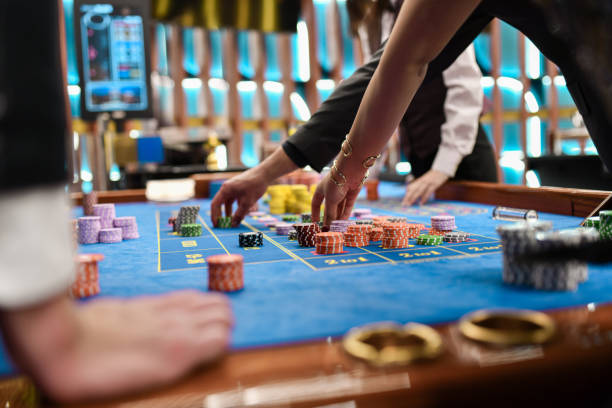
Importantly, the transition of lighting throughout different parts of the casino can serve to segregate gaming zones from social areas, subtly directing the focus where it is needed most. For example, brightly lit gaming areas can enhance energy and excitement, while dimmer, softer lighting in lounges encourages relaxation and conversation. This design choice helps to ensure that players are immersed in the gaming experience while also providing areas for relaxation and socialization, creating a balanced environment that caters to diverse preferences and enhances overall guest satisfaction.
The Importance of Layout and Flow
The layout of a casino is meticulously designed to optimize player flow and ensure that guests encounter various gaming options. This layout is essential for maximizing exposure to different machines and tables, allowing for impulse decisions and spontaneous gambling. Casinos often employ a labyrinthine design, encouraging players to explore and discover new gaming opportunities, all while maintaining an engaging atmosphere that keeps them entertained. The arrangement of gaming areas is typically strategic, with high-traffic pathways that guide players through the casino floor.
Main pathways are typically wider and more open, enabling easy navigation while funneling guests toward popular gaming areas. This design not only enhances accessibility but also creates a sense of energy and excitement as patrons mingle and interact. The placement of high-denomination tables away from standard gaming options can help create a sense of exclusivity, enticing players who seek a more unique gambling experience. By carefully considering the flow of movement, casinos can maximize engagement while minimizing congestion in high-traffic areas.
Moreover, the strategic placement of amenities such as bars, restaurants, and restrooms is integral to the overall experience. These areas are situated to encourage guests to take breaks and recharge, ultimately leading them back to the gaming floor. By considering the layout comprehensively, casinos can enhance the overall satisfaction of their patrons, leading to longer stays and increased revenue. The thoughtful integration of entertainment, dining, and social spaces within the casino layout encourages players to spend more time on the premises, further enhancing the gaming experience.
Sound Design and Its Impact on Player Behavior
Beyond visual elements, sound design plays a critical role in shaping the casino environment. The carefully curated soundscape is designed to enhance the excitement and energy of the gaming floor. The constant sounds of slot machines hitting jackpots or the shuffling of cards create an auditory backdrop that reinforces the thrill of gambling. These sounds are not merely incidental; they are strategically placed to evoke feelings of excitement and anticipation, encouraging players to stay longer and engage more deeply in the gaming experience.

Conversely, the use of quieter zones is equally important in providing areas of respite where guests can unwind and socialize without the distractions of the gaming floor. Background music can also be manipulated to match the time of day or upcoming special events, creating an adaptable atmosphere that responds to the needs of its patrons. For example, upbeat music might accompany busy hours, while softer melodies could dominate quieter times, enhancing the overall mood and energy within the casino.
Furthermore, the psychological implications of sound extend to how players perceive their winning potential. The upbeat tones associated with wins can heighten excitement and drive players to continue gambling. Sound cues can signal to players when they are close to winning or when a jackpot is hit, creating a sense of urgency and encouraging them to keep playing. By understanding the effects of sound, casinos can employ these techniques to foster a more engaging atmosphere that promotes player retention and increased spending, ultimately enhancing the gaming experience.
The Online Experience: Adapting Casino Design for Virtual Platforms
As the gaming landscape evolves, casinos have begun to adapt their design principles for online platforms. While the sensory experiences of physical casinos cannot be replicated entirely, online casinos strive to create immersive environments that still engage users. This includes visually rich interfaces and thematic elements that reflect the excitement of a traditional casino setting. Designers aim to capture the essence of a casino atmosphere by using vibrant graphics and animations, creating a digital experience that resonates with players.
Designers of online casinos focus on user experience by ensuring that navigation is intuitive and gameplay is seamless. They employ high-quality graphics and animations to simulate the thrills of a live casino, offering players an engaging experience that keeps them coming back. This includes incorporating elements like live dealers, interactive chat features, and themed games that create a sense of community and interaction. Furthermore, integrating social features allows users to interact with one another, mirroring the communal atmosphere found in physical casinos, which enhances player engagement.
The challenge of online design lies in balancing user experience with technical efficiency. Casinos must optimize their platforms for various devices while maintaining engaging graphics and sound. By studying user behavior, online casinos can continue to refine their designs, ensuring that they provide an experience that resonates with players and captures the essence of traditional casino environments. As technology evolves, the integration of virtual reality and augmented reality may further enhance the online gaming experience, bringing the excitement of the casino floor directly to players’ homes.
